Case Study / Workshop Tool

Bulut rethinks the F-clamp with more grip confidence and less visual noise.

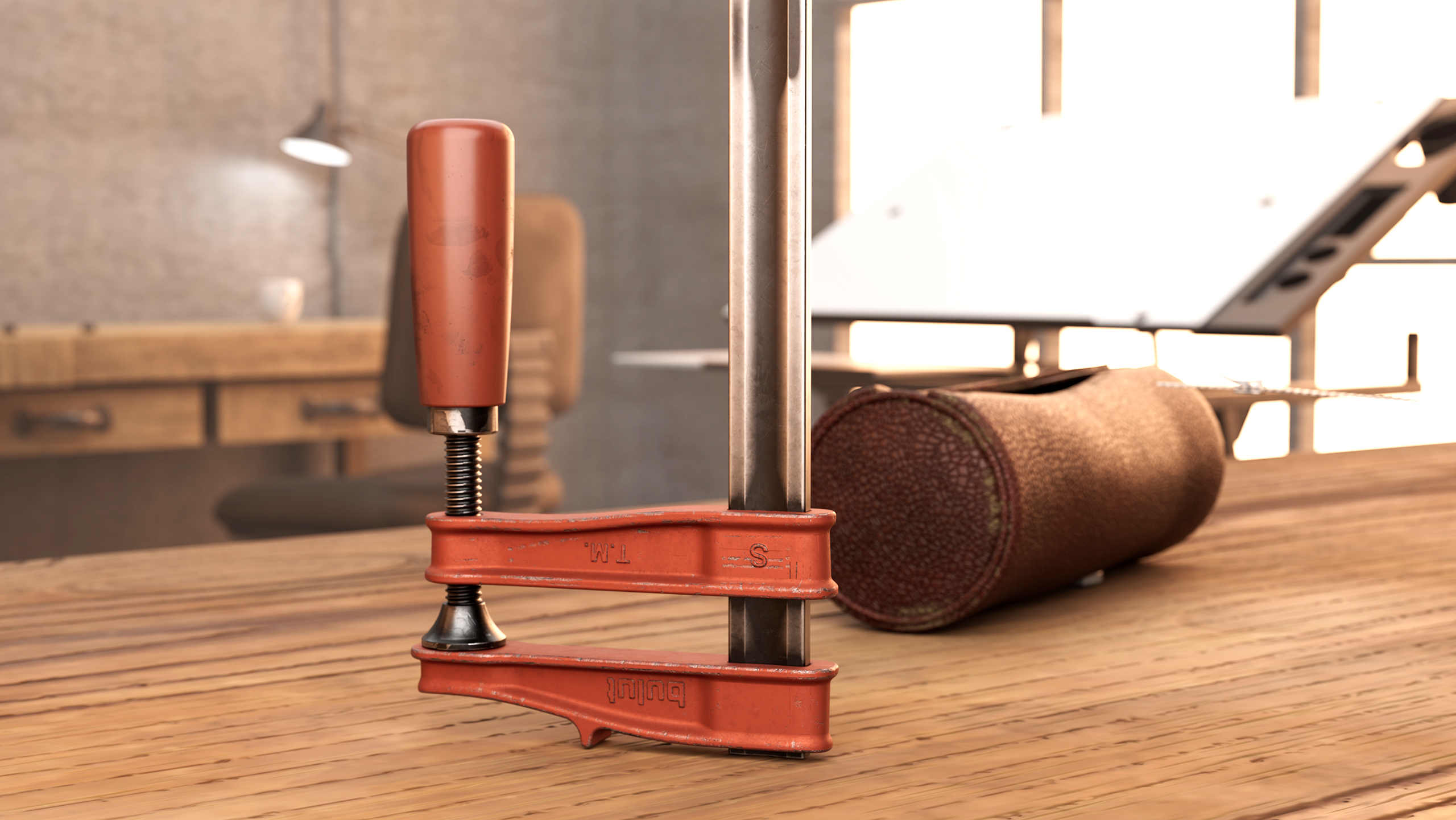
A clamp concept developed around ergonomics, leverage, and everyday handling, aiming to turn a purely functional workshop tool into a more considered industrial object.

Category Woodworking Tool
Priority Grip, force, clarity
Approach Patented form exploration
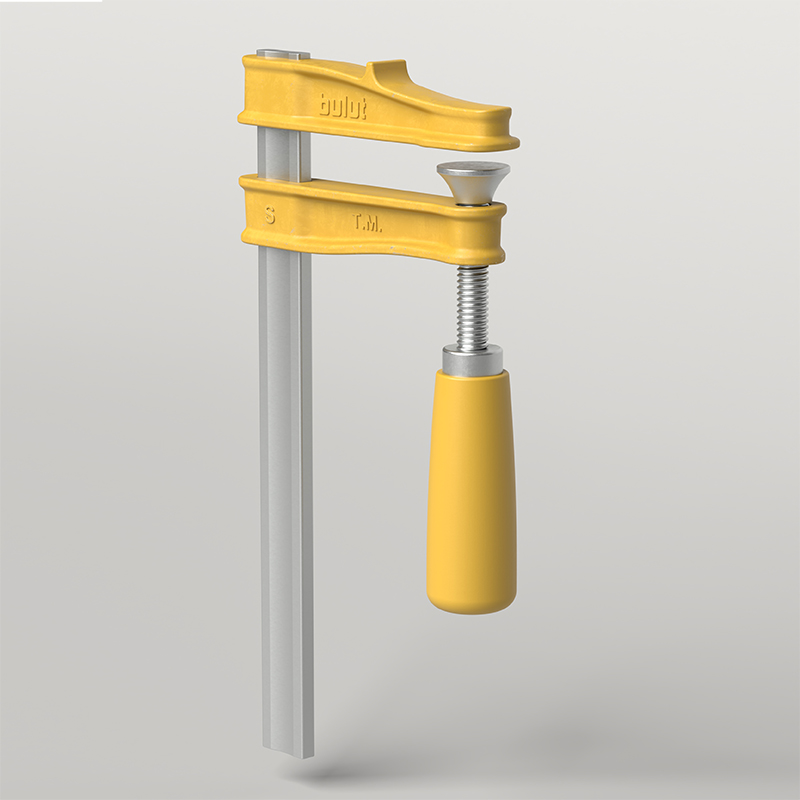
Bulut F-Clamp hero image showing the clamp in use
Overview

A workshop object with a firmer identity.

Bulut started with a simple question: why should a clamp that works hard still feel visually unresolved? The project looks at how a familiar tool can be made more comfortable, more legible, and more distinct without compromising mechanical seriousness.

The result is a concept built around a stronger handle experience, clearer structural expression, and smoother transitions that make the tool feel engineered rather than merely assembled.

  • Grip geometry developed to feel more natural under repeated tightening.
  • Mass and silhouette balanced so the tool reads robust without looking heavy.
  • Mechanical logic is visible in the form, reducing clutter and improving trust.
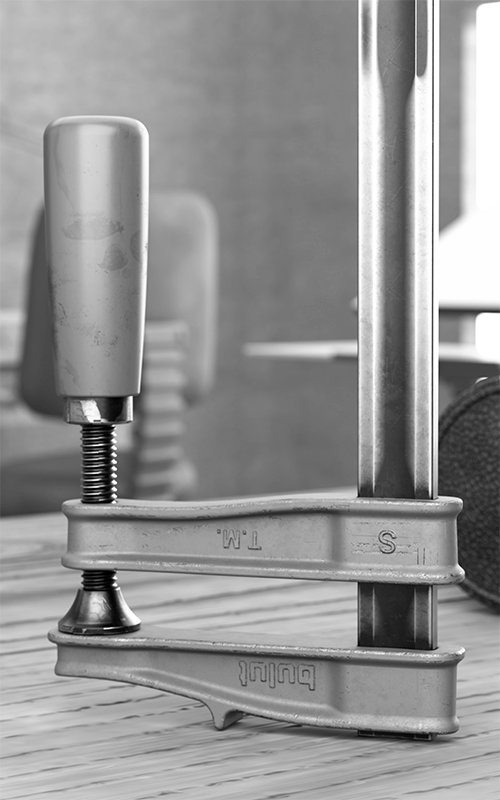
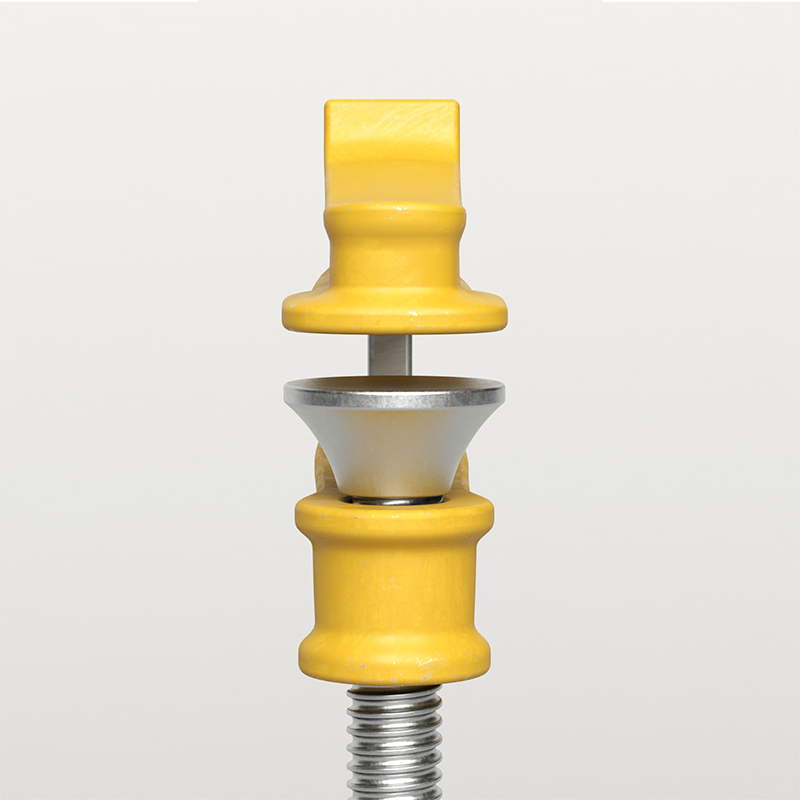
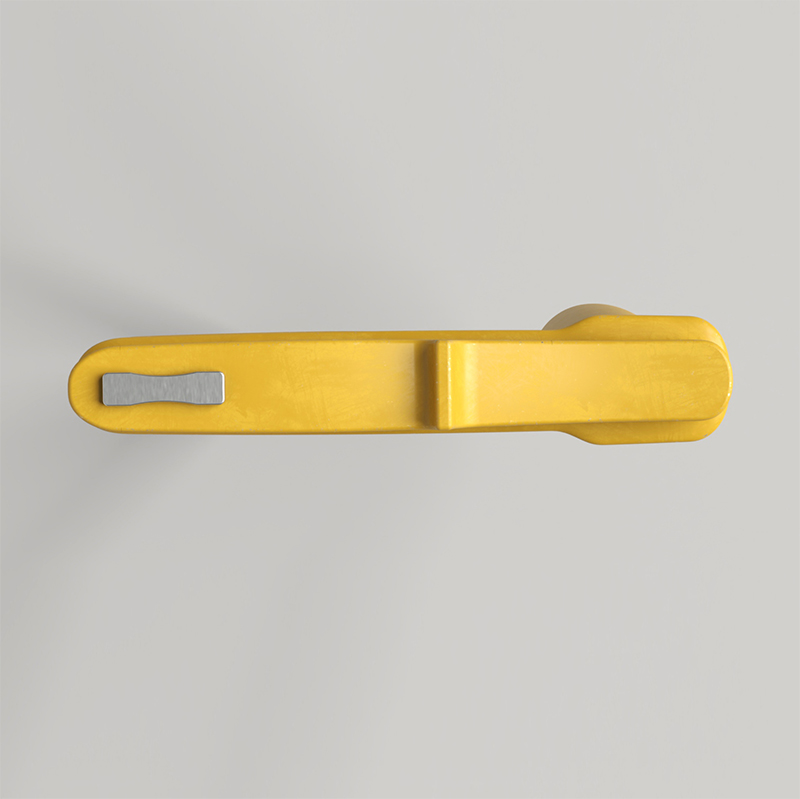
Bulut F-Clamp detail showing the body and grip design
Close-up of the clamp body, where grip comfort and structural confidence meet in one gesture.
Form Study

Every angle had to communicate leverage and control.

The final direction brings together a softer handle language with a tool body that still feels durable and workshop-ready.

Concept Development

Sketches helped lock the emotional tone before the hard geometry.

Early ideation focused on one tension: how to make the clamp feel friendlier in the hand without losing the authority expected from a serious workshop tool.

That led to a search for smoother transitions, clearer grip zones, and a silhouette that would remain memorable even in a crowded category.

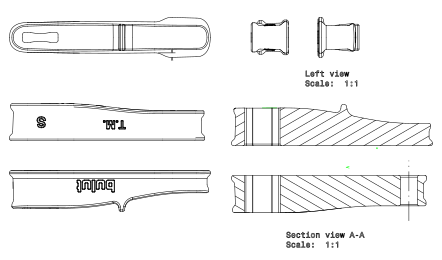
Technical view
Exploded technical drawing of Bulut F-Clamp
Principle Patented layout
Build Load-aware structure
Outcome More legible mechanics
Design Principles

Performance cues were built directly into the form.

Leverage

The clamp body expresses where force travels, helping the tool feel more intuitive before use.

Ergonomics

Handle geometry aims to reduce fatigue and increase confidence during repeated tightening.

Durability

The concept assumes workshop-grade materials and production methods suited to demanding use.

Character

The finished form gives the tool a stronger point of view without becoming stylistically loud.

“The intention was to make a harder-working object feel better resolved, not more decorative.”
Method Studio project perspective
Related work

From living products to workshop tools, the throughline is clarity.

Bulut shows how Method Studio approaches more technical categories: by making performance cues readable and reducing visual friction until the object feels inevitable.

Next Step

Need a product that feels stronger in both use and perception?

Method Studio helps shape tools, appliances, and everyday objects into products with clearer logic and a more premium presence.