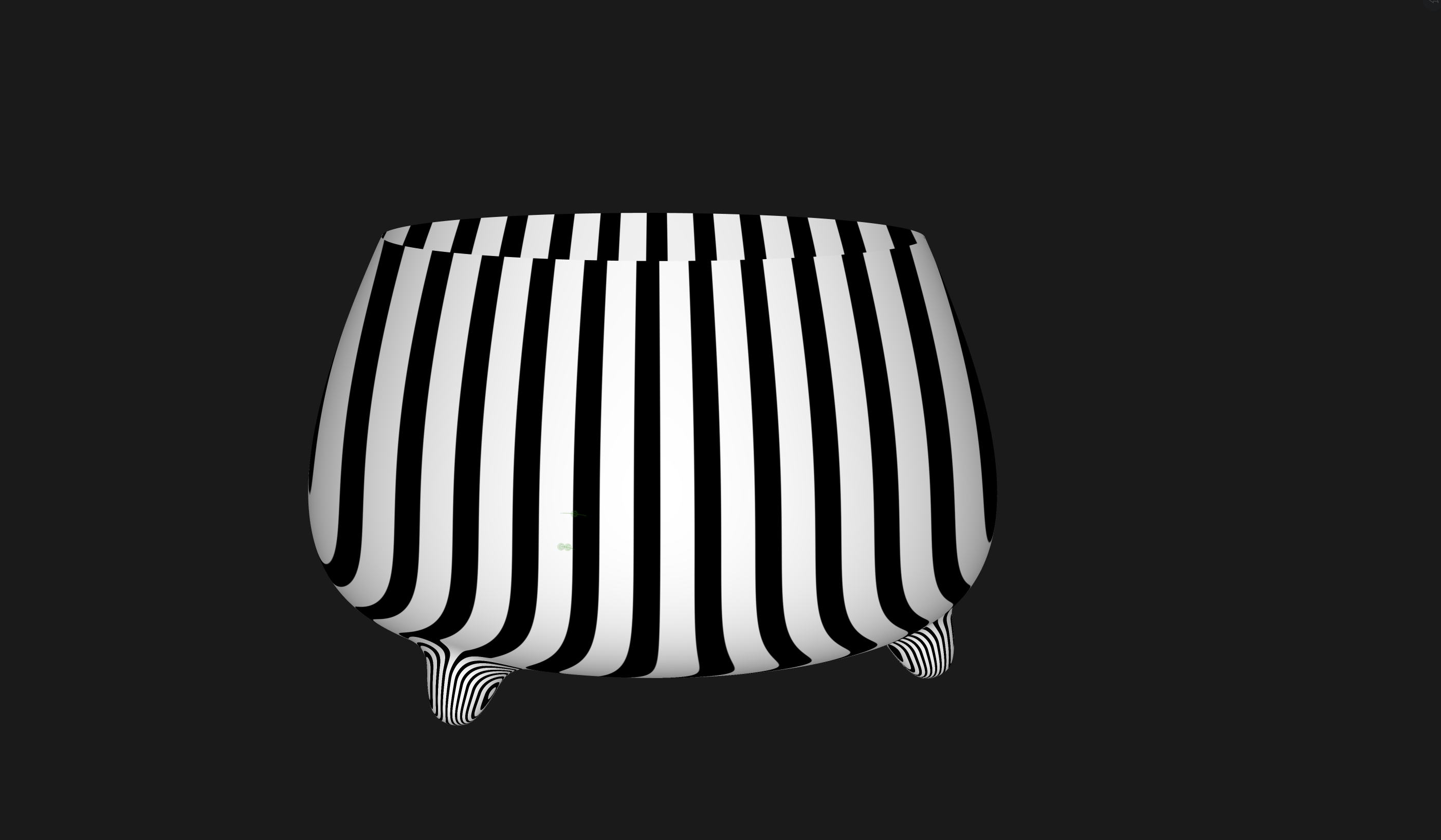
A product surface can look simple in a render and still be difficult to manufacture, polish, tool, or visually control. The difference is usually hidden in curvature.
Curvature decides how light moves across the body. It decides whether highlights feel calm or broken, whether a transition feels intentional or accidental, and whether a product reads as premium before anyone touches it.
Surface quality is not only about smoothness. It is about controlled change.
Reflection flow is an early warning system
Zebra stripes and reflection checks are useful because they reveal what regular renders can hide. A small discontinuity, a nervous transition, or an unresolved shoulder line becomes visible when the surface is forced to explain itself through light.
This matters before tooling because the tool will not fix the design intent. It will reproduce the geometry. If the surface logic is unstable in CAD, production will usually make that instability more visible, not less.
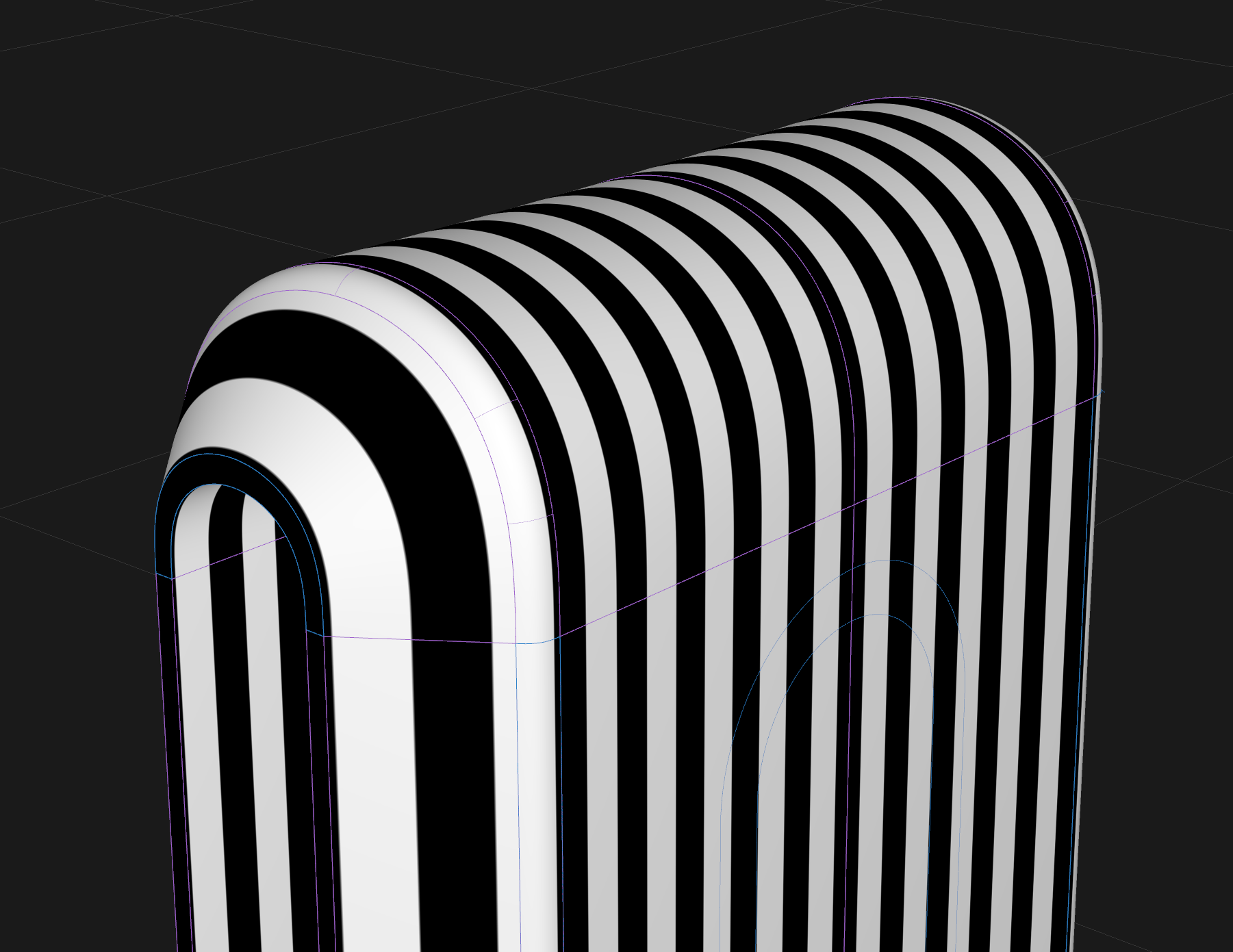
Curvature also affects manufacturability
In plastic and consumer product work, curvature is connected to wall thickness, split lines, draft, parting strategy, rib placement, and assembly. A surface can be visually attractive but still create poor thickness transitions, awkward tooling conditions, or fragile edge behavior.
Good surface development tries to balance both sides: the object should read with a calm exterior identity, while the hidden technical structure still has room to work.
Before tooling, ask better questions
- Does the highlight flow support the product identity?
- Are curvature changes intentional and controlled?
- Do surface transitions create avoidable wall or tooling risks?
- Will this geometry still feel calm after material, finish, and production tolerance enter the picture?
When those questions are answered early, tooling starts from a better place. The result is not just a cleaner CAD model; it is a product that feels more resolved before production begins.