Most product curves are discussed as styling decisions. In production, they become physical decisions.
Curvature is often treated as a question of appearance: how soft an edge should feel, how a transition should catch light, or how a product should express quality.
That is part of the job. But it is not the whole job.
In industrial design, curvature also affects how a part is engineered, tooled, manufactured, finished, and judged by the end user. A curve can influence wall thickness, surface reflections, mold release, shrinkage behavior, and the amount of correction required before a product is ready for stable production.
A curve is not a drawing. It is a prediction of material behavior.
This is where product design becomes practical. The surface that looks calm in a CAD render may create problems later in tooling, molding, finishing, or assembly. What looks smooth in CAD may still behave badly in production.
For manufacturers, startups, and product teams, this matters because the cost of correcting geometry changes dramatically over time. Early in CAD, a surface can be refined quickly. After tooling begins, the same issue can become expensive, slow, and harder to resolve across teams and suppliers.
Curvature Is Where Aesthetics Becomes Physics
Designers often judge curves visually. Manufacturers experience curves physically.
A designer may see a clean blend between two surfaces. A toolmaker may see a difficult release condition. A production engineer may see a wall thickness risk. A quality team may see reflection distortion, sink marks, or variation between parts.
Curvature does not control every production issue. Material choice, draft, gate location, ribs, cooling, tooling quality, and process parameters all matter.
But curvature is one of the earliest factors a design team can control.
That makes it a design issue, an engineering issue, and a business issue at the same time.
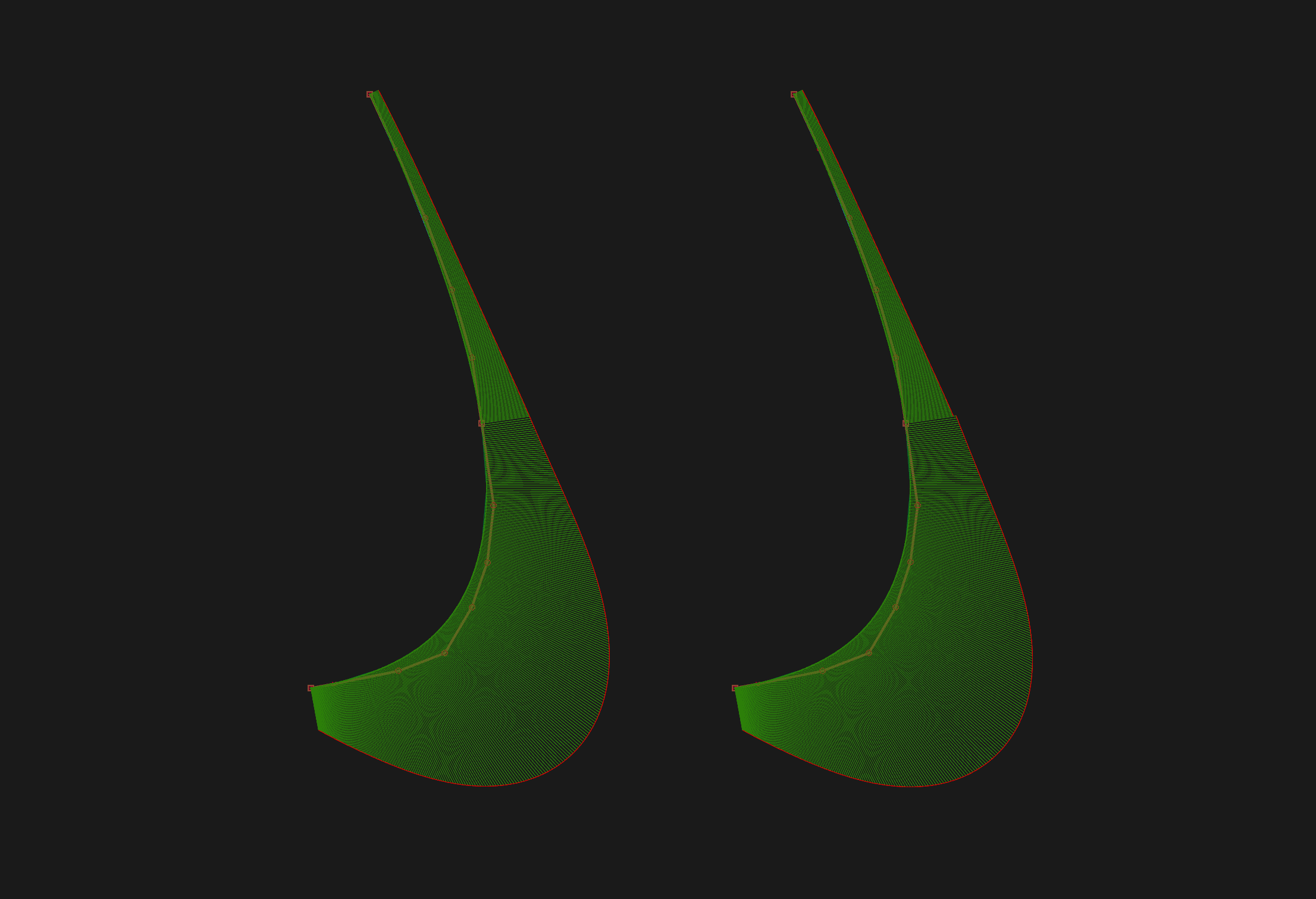
Where Poor Curvature Becomes Cost
Poor curvature rarely appears as one obvious problem. More often, it shows up as a pattern of friction across development and production.
It can contribute to uneven wall thickness. It can increase the risk of sink marks or surface distortion. It can create reflection noise on glossy, polished, painted, or highly visible surfaces. It can produce local stress concentration, difficult part ejection, or transitions that require tooling correction.
In real projects, these issues often become:
- tooling revisions
- sink marks
- reflection noise
- uneven wall thickness
- stress concentration
- difficult ejection
- longer development cycles
- more supplier communication
- higher rejection risk
These problems are not always caused by curvature alone. But uncontrolled curvature can make them more likely, especially when surface design is developed separately from manufacturing logic.
This is one of the common gaps between design intent and production reality. A product may look resolved in a render but still carry hidden geometric problems into CAD release, supplier review, tooling, and first-off samples.
Why Continuity Alone Is Not Enough
Surface continuity is important, but it is often misunderstood.
G1 continuity means surfaces meet with tangency. G2 means curvature is aligned at the connection. G3 goes further and considers how that curvature changes through the transition.
These are useful tools, especially in Class-A surfacing, automotive work, and premium product design.
But continuity alone is not the full answer.
Continuity describes how surfaces connect. Curvature progression describes how the surface behaves.
A surface can technically be continuous and still have poor curvature behavior. It may contain spikes, flat areas, pinching, sudden acceleration, or noisy transitions. These issues may not be obvious in a shaded CAD view, but they often appear through highlights, reflections, tooling feedback, or production defects.
In Class-A surfacing, surface quality is not simply about making something look smooth. It is about controlling how curvature flows across the product.
Users may not see curvature directly. They read it through light.
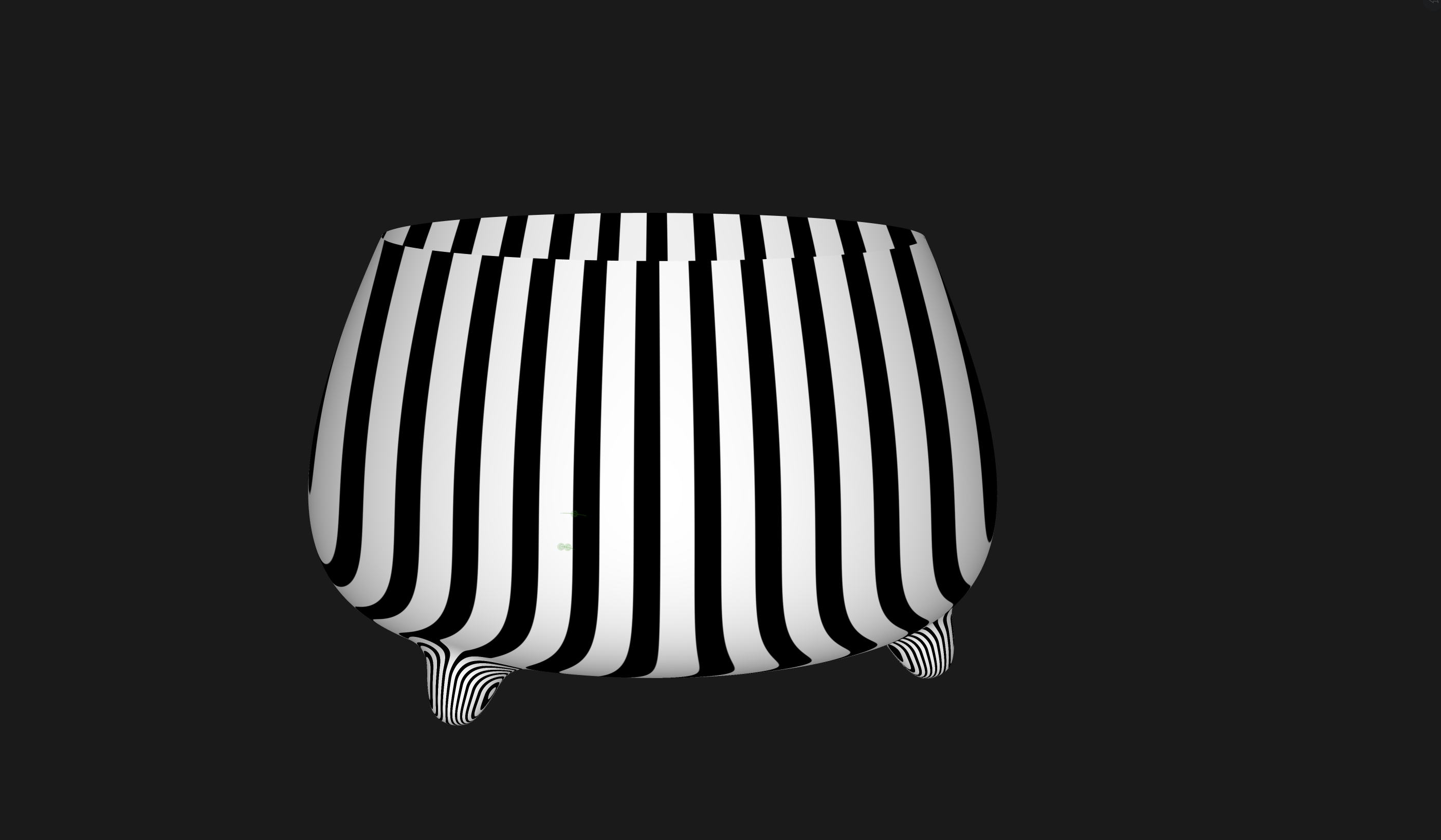
What Method Studio Looks For
At Method Studio, we review curvature as part of the product’s design, CAD, tooling, and production logic.
The question is not only whether the form looks good. The question is whether the geometry supports the product’s manufacturing method, quality target, and commercial reality.
In surface development and CAD refinement, we look for:
- curvature spikes
- flat spots
- pinching
- uncontrolled transitions
- weak highlight flow
- wall thickness risks
- draft and release issues
- manufacturability conflicts
- areas likely to show surface defects
- geometry that may reduce perceived quality
This is especially valuable before tooling begins.
At that stage, improving a radius, correcting a blend, adjusting wall behavior, or refining highlight flow can reduce risk without disrupting the project. Later, the same issue may require mold modification, supplier negotiation, schedule changes, or design compromise.
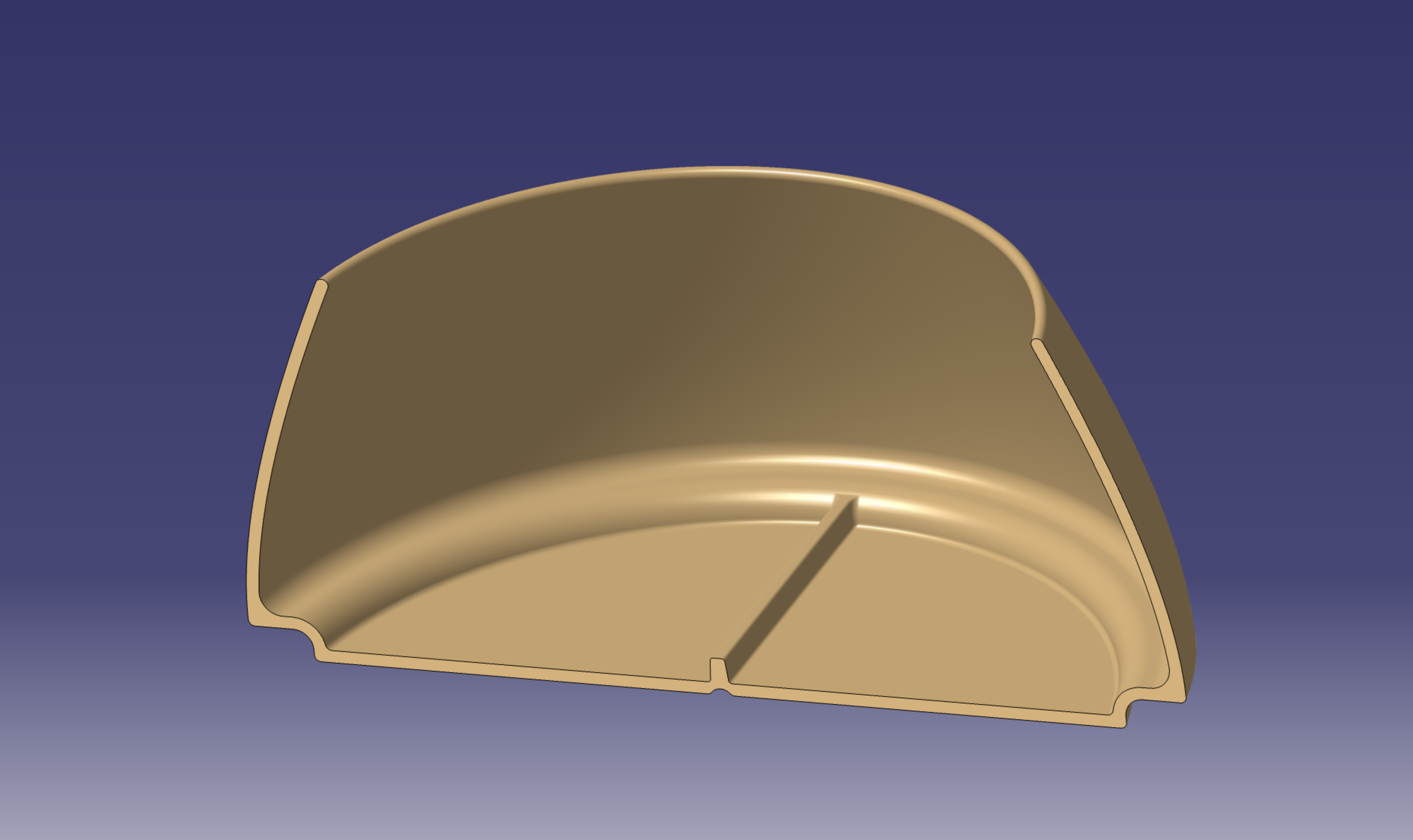
Better Surfaces Reduce Production Risk
A well-controlled product surface does more than look refined.
It can support cleaner material behavior, more stable wall thickness, better reflection quality, fewer visible defects, clearer tooling intent, and stronger perceived product value.
This is why curvature should not be treated as cosmetic work at the end of development. It belongs earlier, when the product is still flexible enough to improve.
For Method Studio, industrial design is not separated from CAD, tooling, or manufacturing. The surface is where these decisions meet.
Curvature is where aesthetics becomes physics. And in product development, that physics eventually becomes cost, quality, schedule, and customer perception.
If a product looks good on screen but becomes difficult in tooling, the problem may not be the material or the supplier. It may be the geometry.
Method Studio helps identify and solve these issues early, treating curvature as a design, engineering, and business decision, not just a styling choice.
Industrial design is applied physics disguised as aesthetics.